An architecture practice of creative reuse — transforming what already exists, into joyful, low-carbon places for culture, community, and contemporary living.
We are:
Resourceful
We care about materials, where they come from and how they are used. This makes our projects unique and special. We make the most of what already exists — reusing, adapting and uncovering hidden potential.
Collaborators
Our projects are shaped through partnership — with clients, communities, and consultants. They grow through conversation, sketching, questioning, and shared discovery — tailored to brief, site, and ambition.
Low carbon specialists
We’re specialists in creating low embodied carbon buildings. Over years of practice, we’ve developed the strategies, systems, and knowledge to reduce impact and deliver on our environmental goals — every time.
Latest news
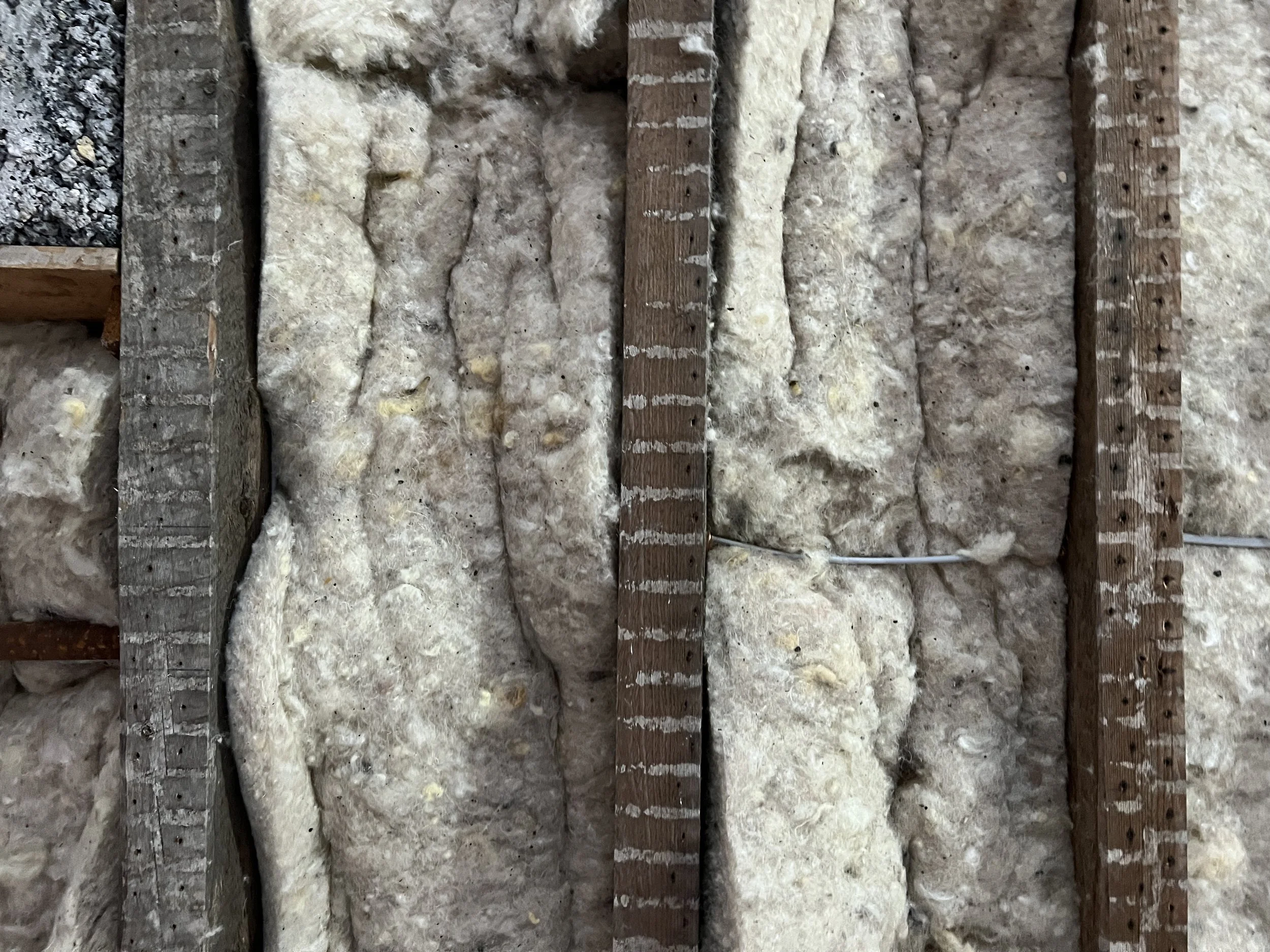
Retrofit requires a genuinely different set of skills from new build. That sounds like a simple statement, but its implications run deep: how a practice surveys an existing building, how it thinks about materials, how it understands construction history, how it manages the relationship between old and new fabric, and how it responds to a very different set of site conditions.
Rocca Holly-Nambi is the director of B-Side, an arts organisation based on the Isle of Portland in Dorset. In recent years, b-side has grown from a biennial festival into a year-round cultural offering: embedding artists into heritage sites, projecting onto lighthouses, parading through streets, and now running a bed and breakfast as a community asset and creative retreat.
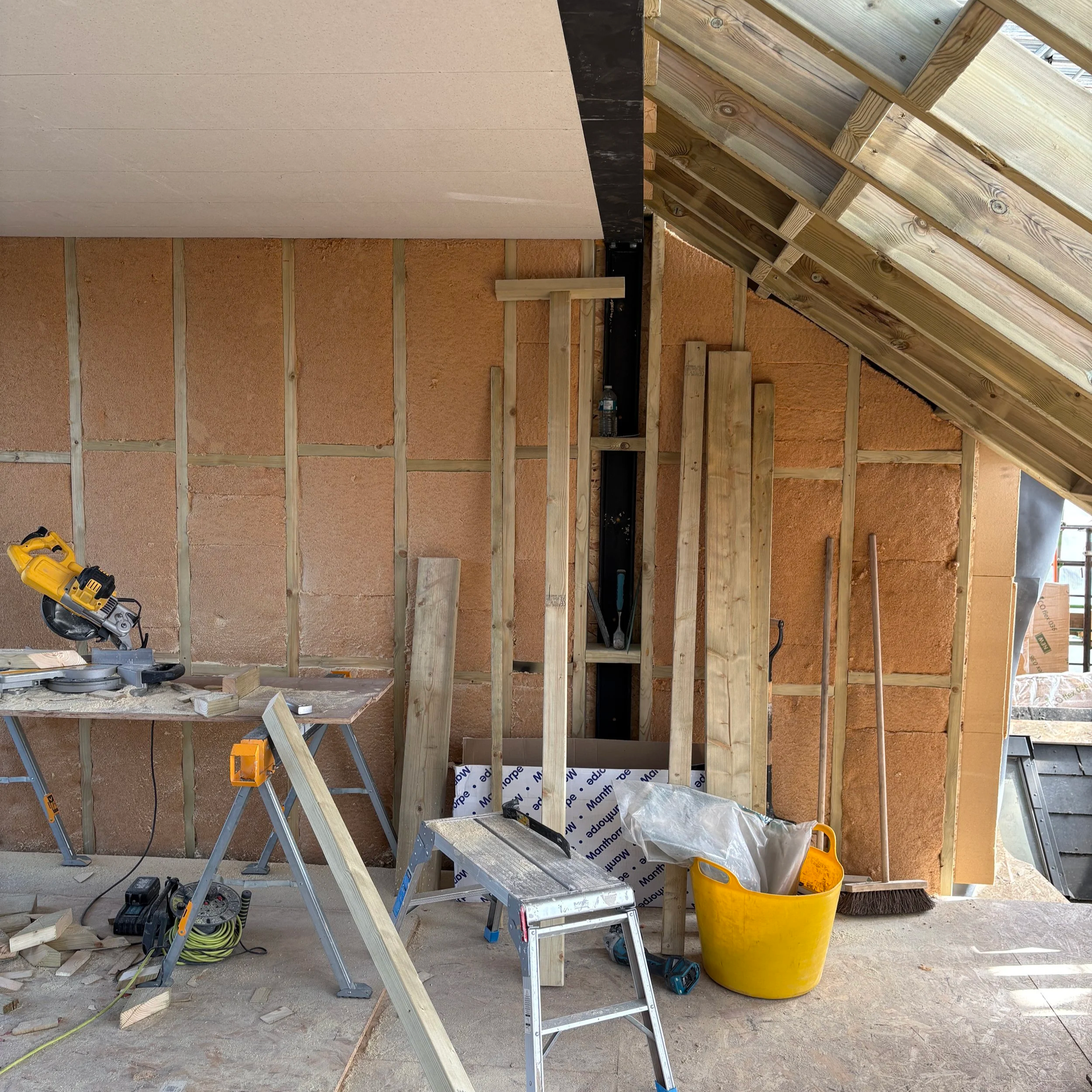
Retrofit is the most important idea in British architecture right now. It’s also one of the most misunderstood. At one end, retrofit means a cosmetic refresh — new kitchen, new bathrooms, fresh paint. At the other, it means a deep rethinking of how a building performs, how long it will last, and what it contributes to the world it sits in. These are very different things, and the gap between them matters, both for the client and for the planet.
![we [do] art](https://images.squarespace-cdn.com/content/v1/63185cdb6447581477779669/1770636770010-WJLI8XX47V62SUCSVNS8/we-do-art-website-new-makers-bureau-architects-london.jpg)
We’re featured on we[do]art.
we[do]art is home to an international, curated creative community of designers, artists and architects. Together with creative brands from around the world.
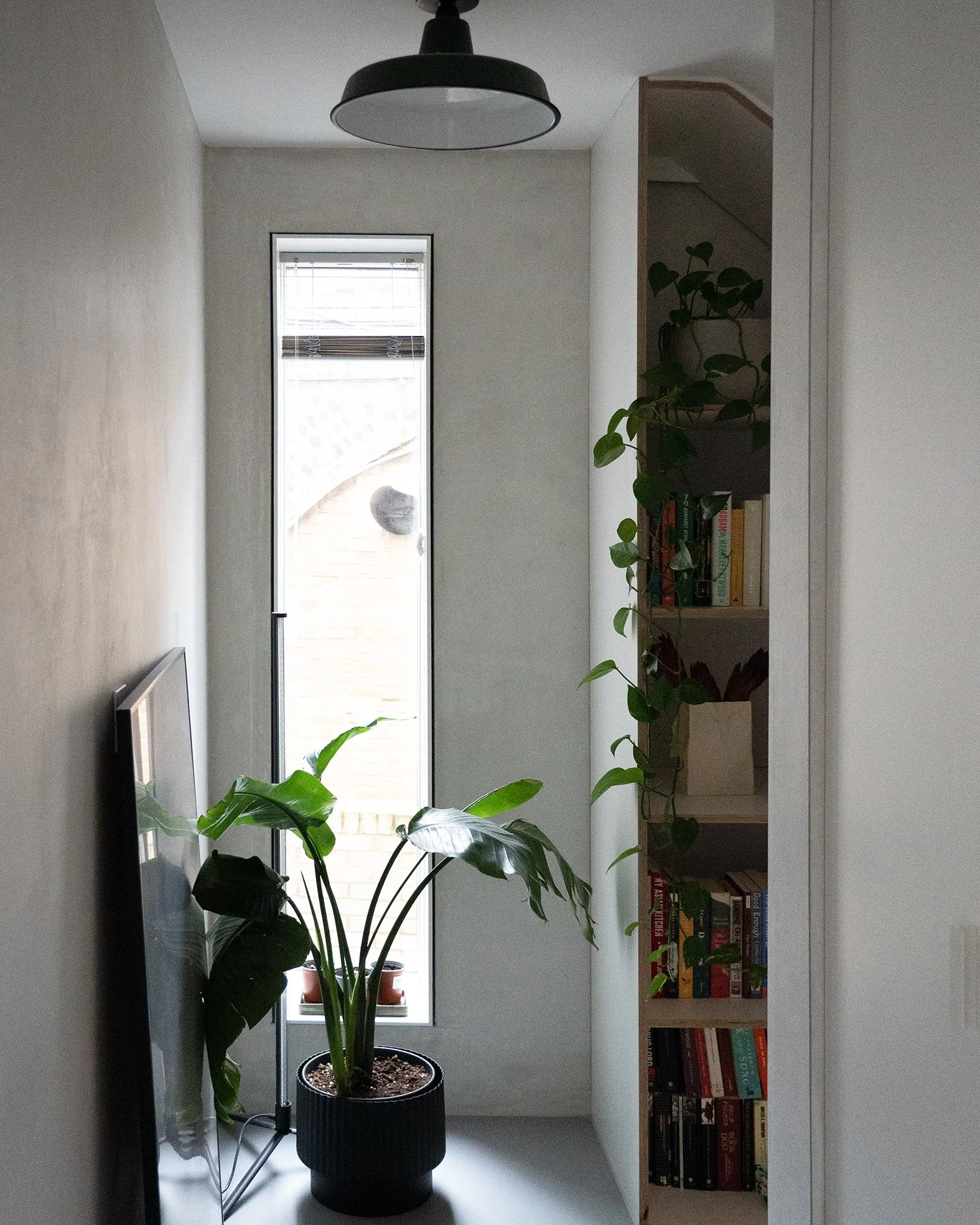
Most people who come to us have already made a decision; they want more space, they want to do it well, and they don’t want to build something they’ll regret in years to come. What they’re often less sure about is what ‘doing it well’ actually means in practice in environmental terms — beyond buying some triple glazing and hoping for the best.
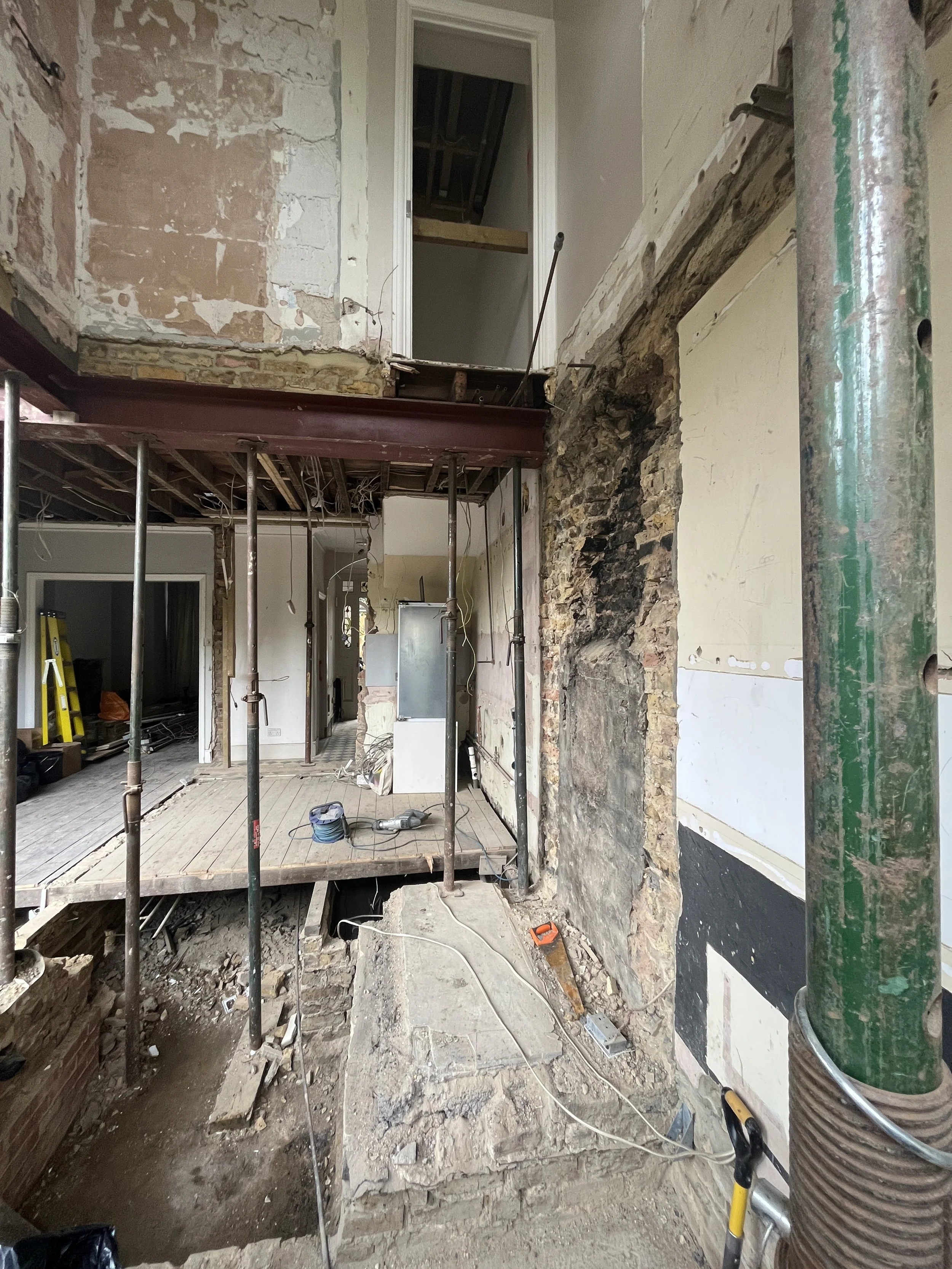
The instinct to start fresh is understandable. The building is tired. The layout doesn’t work. The running costs are eye-watering. And somewhere in the back of your mind is the idea that a clean slate would be easier, better, more efficient than trying to work with what’s there. New is shiny - new is exciting - new is better somehow?
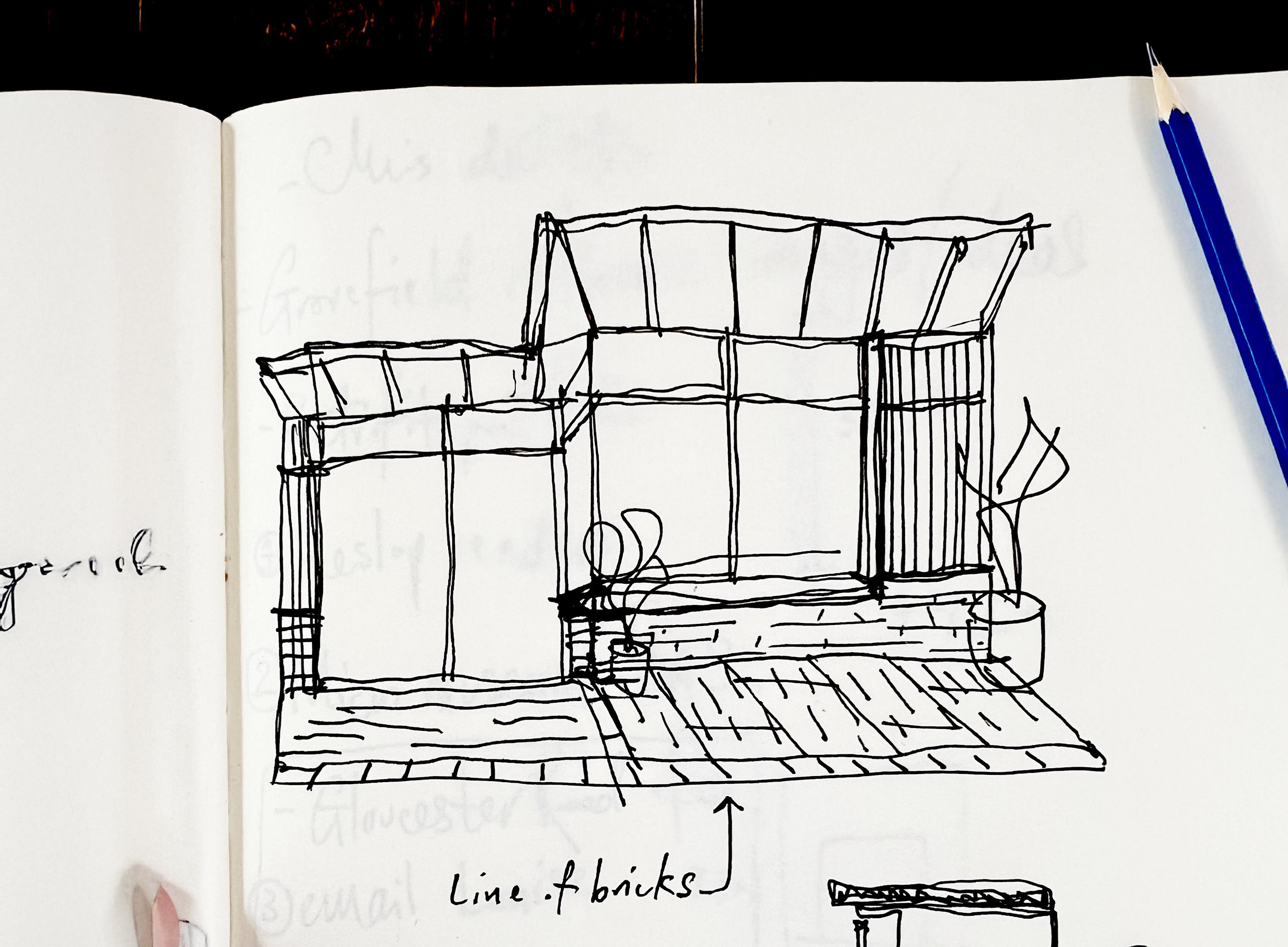
The brief you give your architect at the start of a project determines almost everything that follows. Get it right, and the design process is a genuine collaboration toward a shared goal. Get it wrong, or leave it too vague, and you’ll spend the middle stages of the project renegotiating things that should have been settled at the beginning.
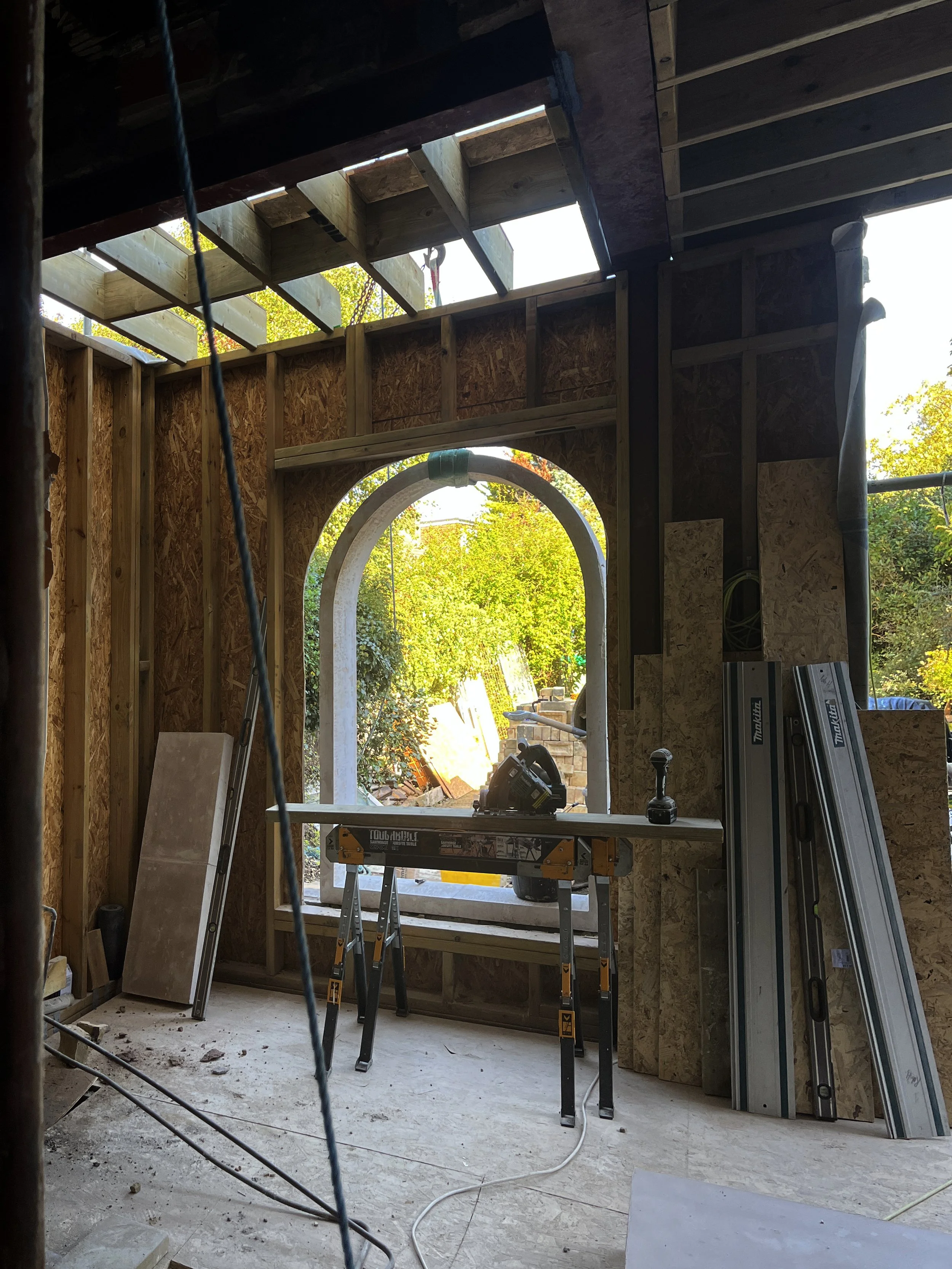
Most of Lewisham was built between 1880 and 1930. Those Victorian and Edwardian terraces, the long streets of Forest Hill, Brockley, Catford and Hither Green, are some of the most robust buildings in London, structurally solid and full of character. They are also, by modern energy standards, significant carbon emitters, with solid walls, single-glazed windows and uninsulated floors that leak heat throughout the colder months.
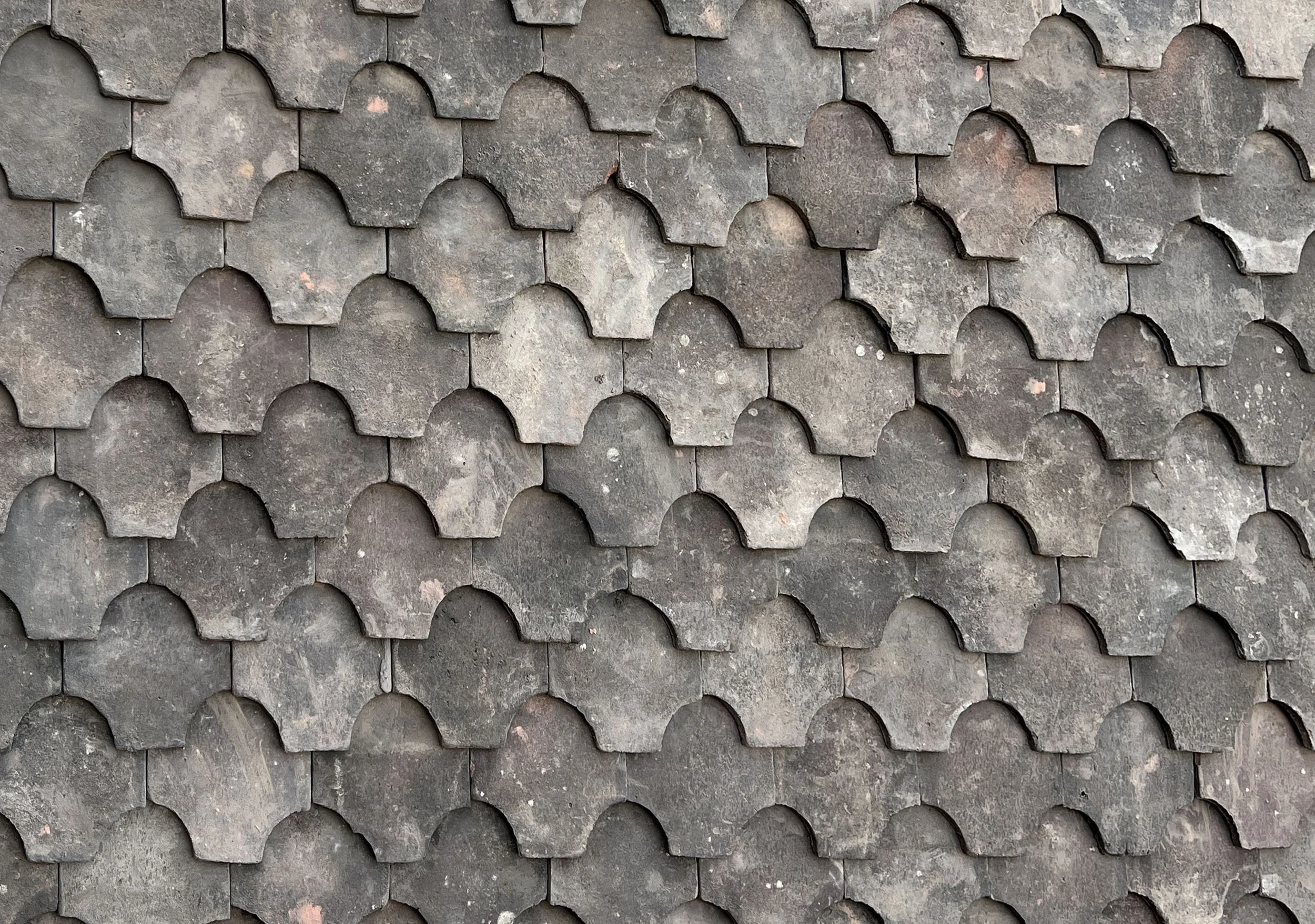
Material choice is the single biggest decision you’ll make in a sustainable extension. More than the glazing spec, more than the heating system, more than the renewable energy bolt-ons that often get added at the end. Here are the five materials we reach for most often at New Makers Bureau.
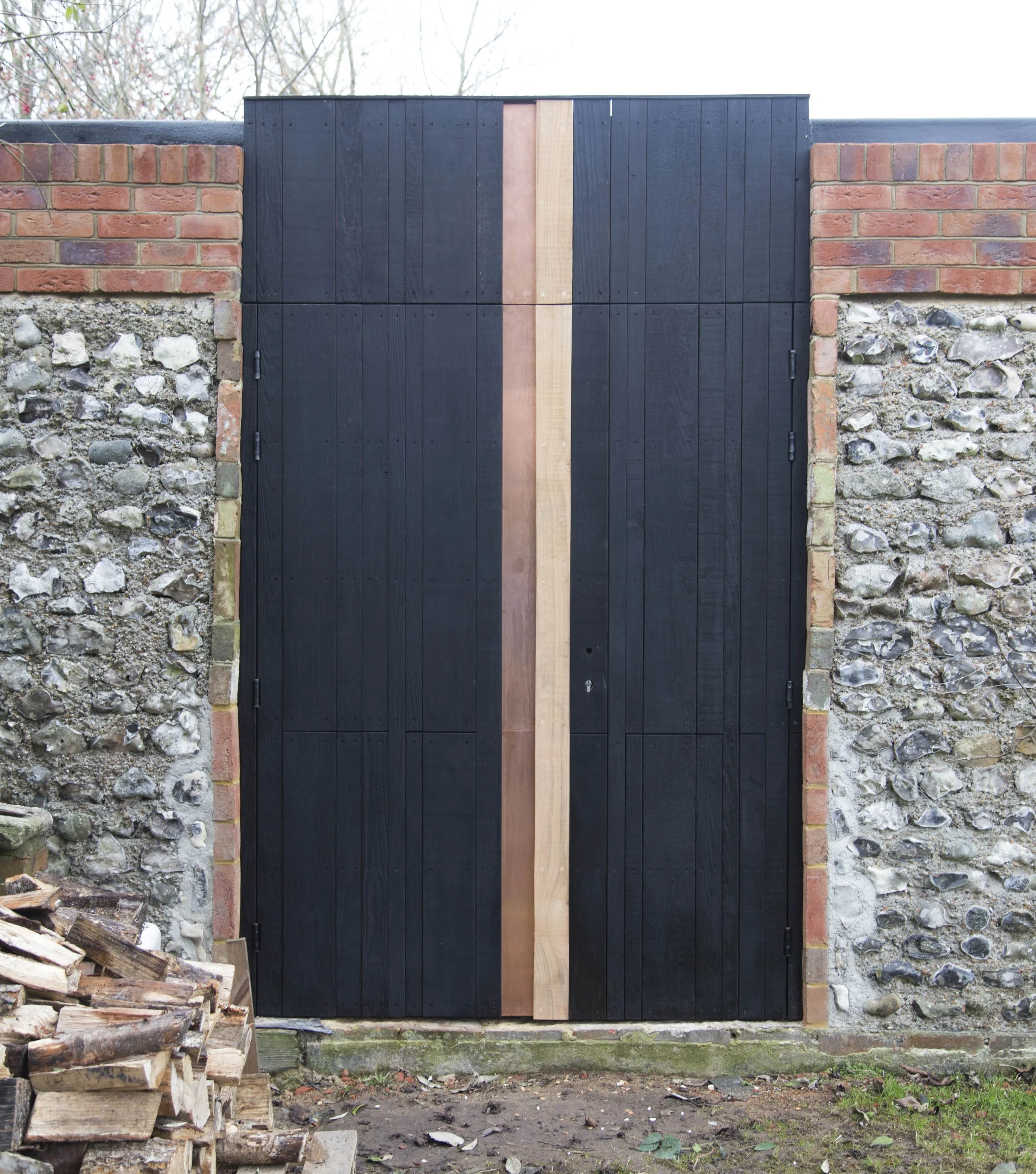
Planning permission in London isn’t a single thing. It varies by borough, by conservation area, by the specific character of your street, and sometimes by whoever happens to be sitting across the desk from your application. That said, there are consistent principles and a clear direction of travel, and if you understand them, sustainable design becomes a planning asset.
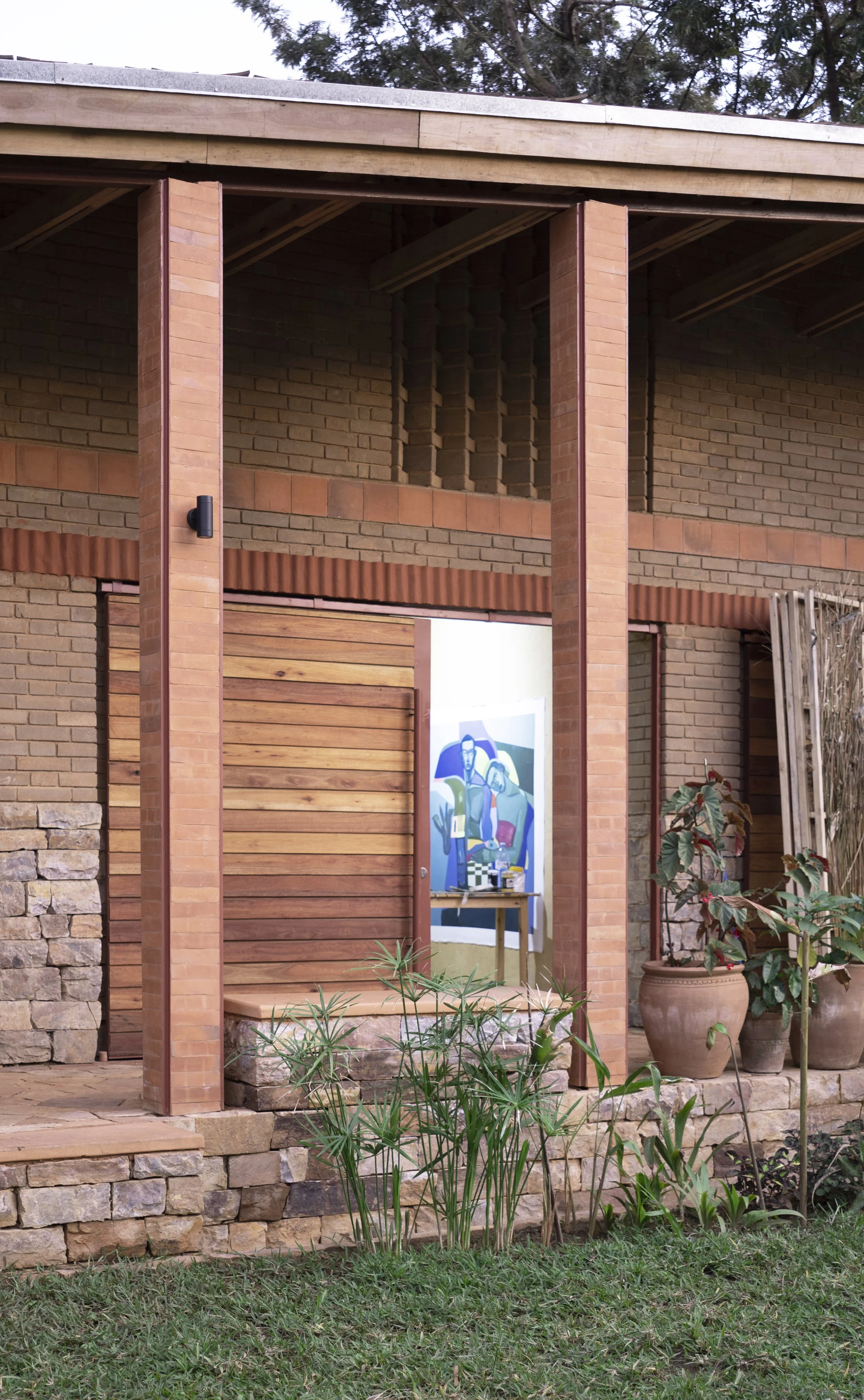
Lewisham has a rich community and cultural life, from the independent venues of Deptford to the arts organisations of Forest Hill…. community centres serving some of the most diverse neighbourhoods in London and small cultural spaces that punch well above their weight. The architecture that houses all of this matters. It shapes how people feel about their community and whether they want to be part of it.
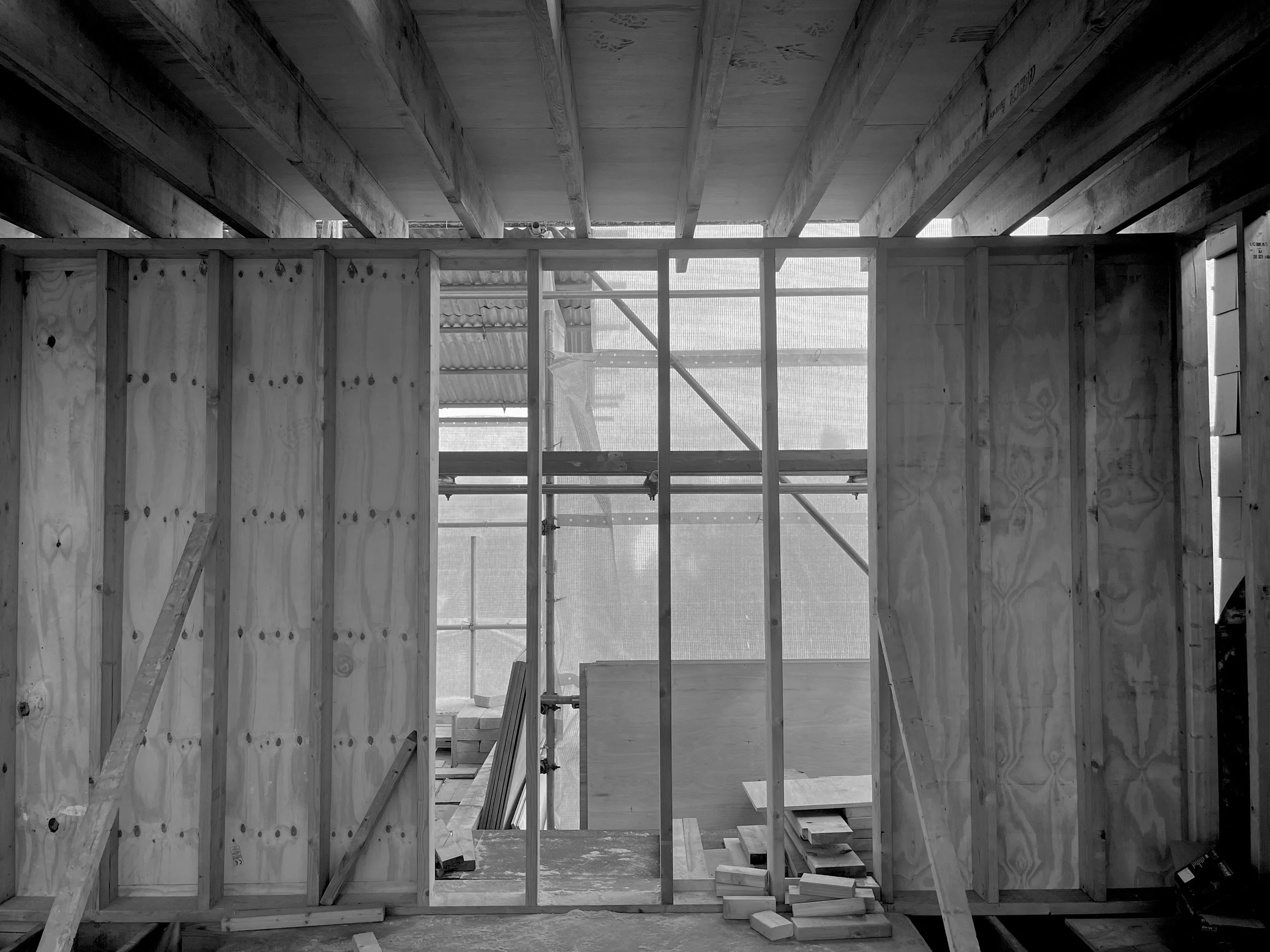
Retrofit pricing is variable in a way that frustrates clients and, frankly, makes it difficult for architects to give useful guidance without knowing the specific building. That said, there are principles and benchmarks that can help you understand the range, and, more usefully, understand what drives the difference.
NMB Meets Jodie House: we talked to the brilliant Jodie House, artist, photographer and co-founder of Houseworks, a community interest company (CIC) delivering creative engagement to people in need. We chatted about the work they do, her work as an artist and the intersection between sustianability and social justice issues.
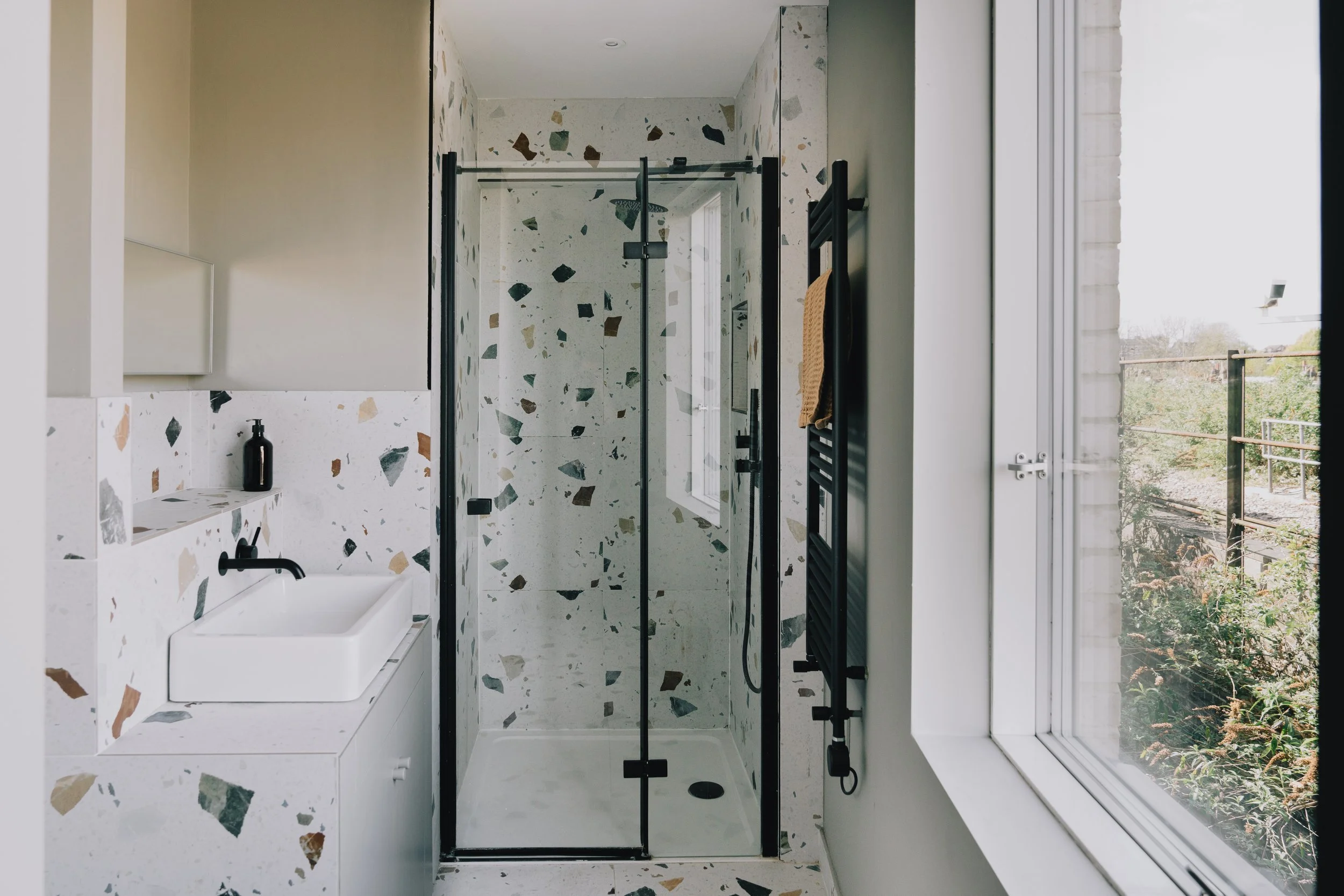
Lewisham is changing. The borough that runs from the dense Victorian terraces of Brockley and Catford down to the riverside at Deptford and Lewisham town centre has been one of south London's most architecturally active places for the last decade, and that shows no sign of slowing. New homes, retrofitted streets, community buildings, cultural venues, ambitious infill development: the architectural agenda in Lewisham is broad, contested and genuinely interesting.

We’ve put this short guide together to help our clients at the start of their project, and to answer some of the most common questions we get asked.
If anything comes to mind that’s not covered here, get in touch and we can help find an answer.

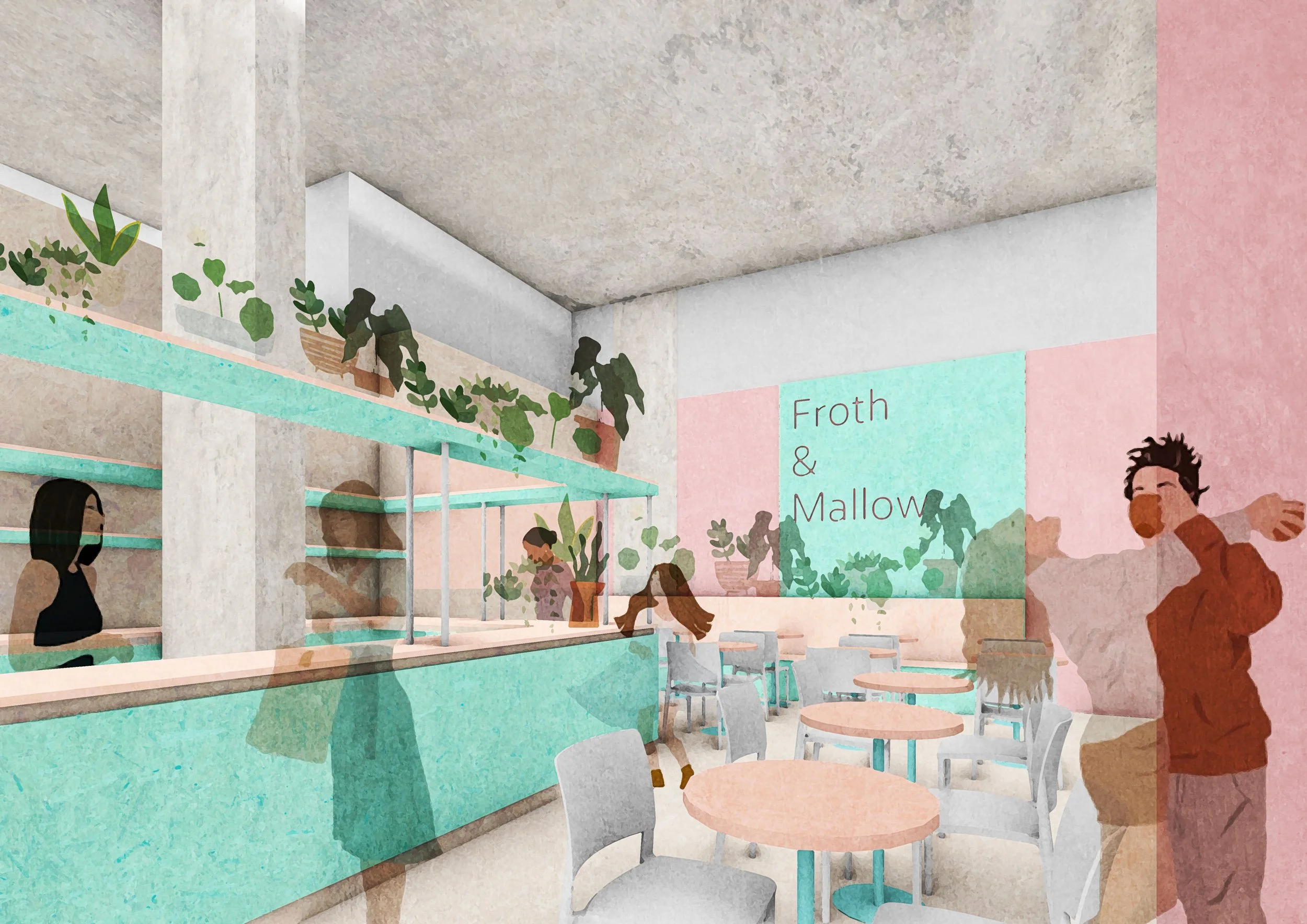
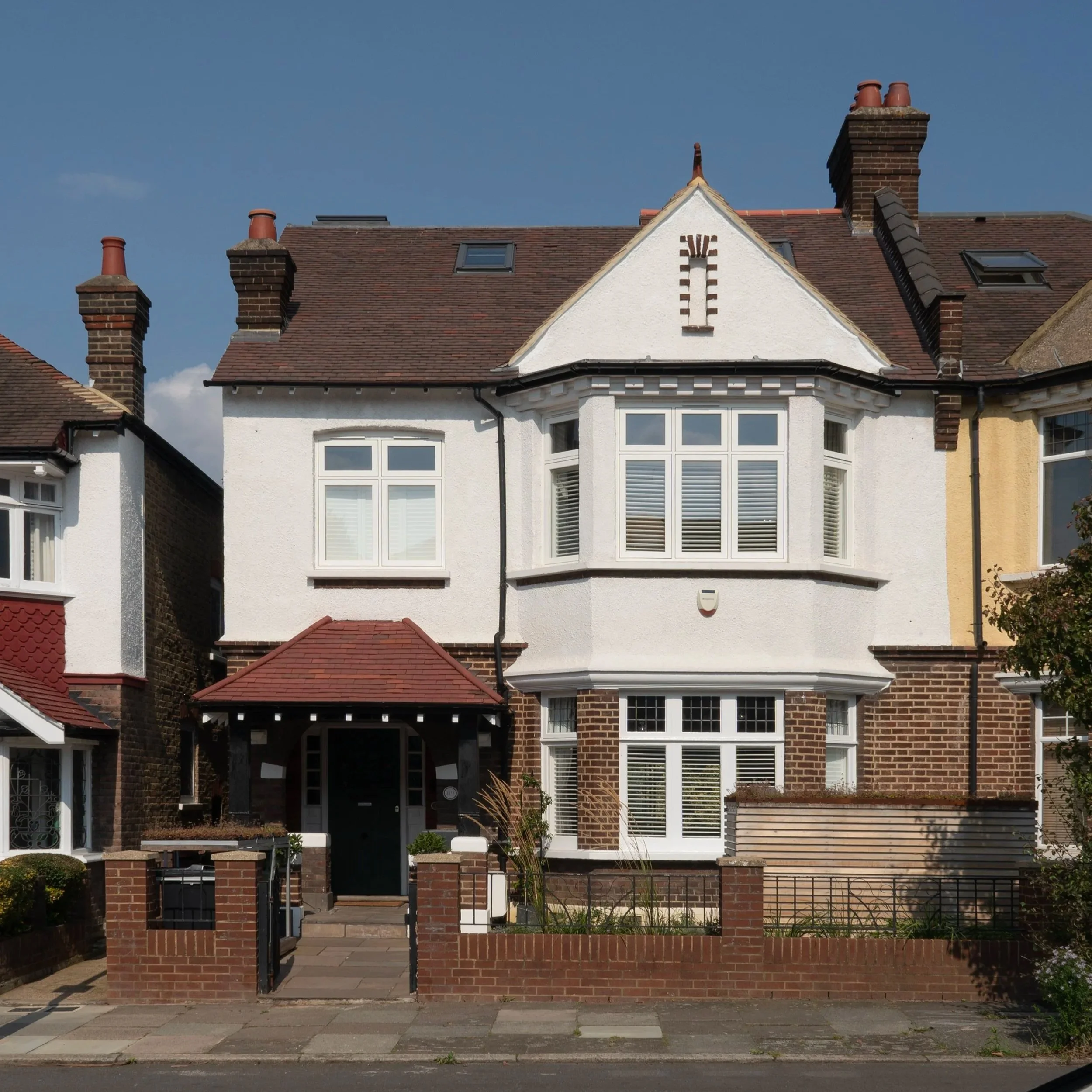
Lewisham's terraced streets are full of homes that work hard but could work harder. A well-designed extension can transform a house that feels tight and awkward into one that is generous, light-filled and genuinely comfortable. But getting there requires navigating planning rules, making good material choices and understanding what the borough's conservation officers are looking for. Here is what you need to know.
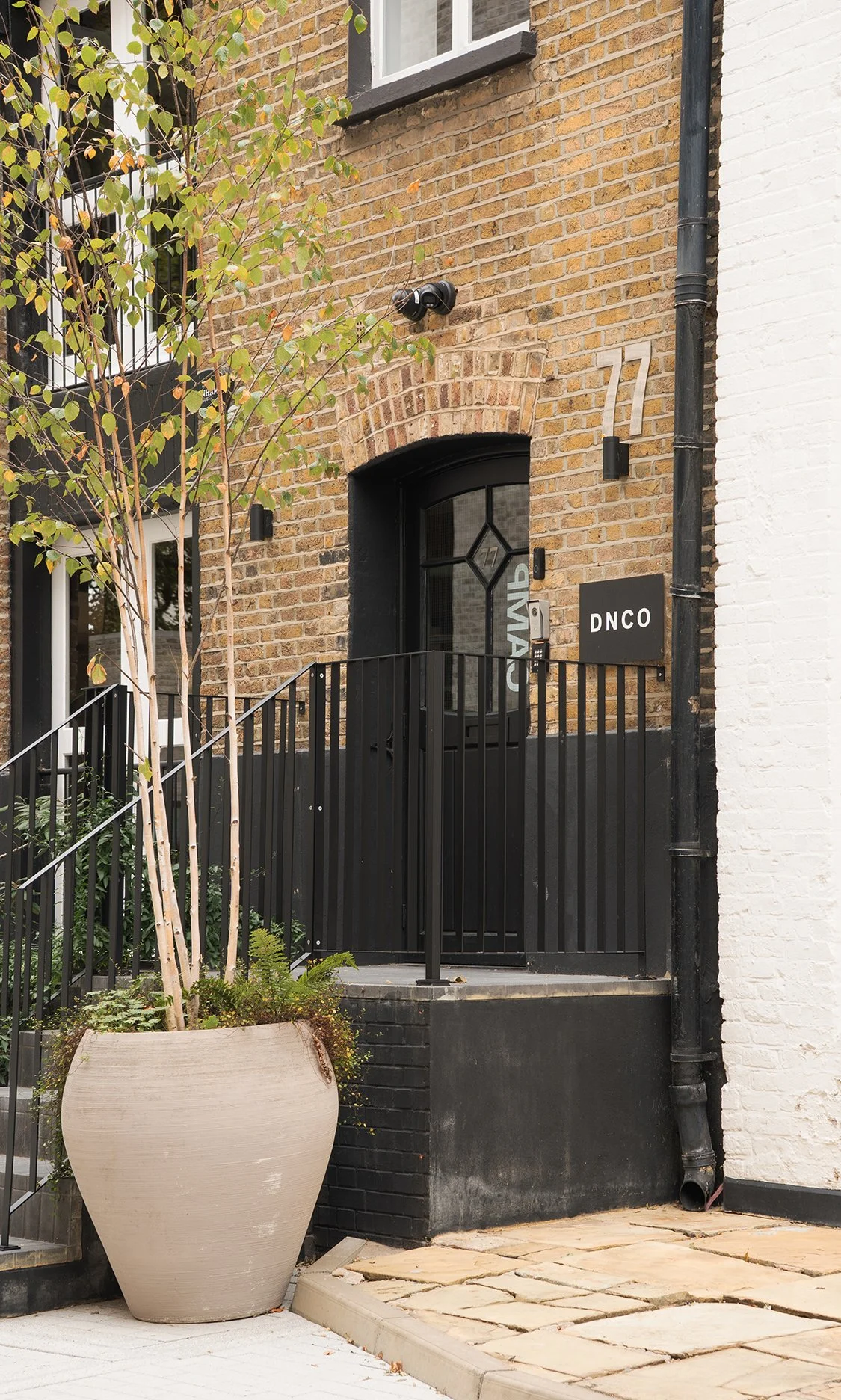
Greenwich is unlike any other London borough to work in as an architect. The weight of its history is extraordinary: a UNESCO World Heritage Site, one of the most significant collections of classical architecture in Britain, conservation areas that cover large swathes of the borough, and a planning environment that takes the relationship between old and new with great seriousness. And yet Greenwich is also a borough of rapid change, with new homes, new cultural venues and a growing community demanding architecture that is genuinely of its time.

NMB Meets with Nick Corlett: we talked about the great work the Green LEYF initiative is doing with young people in the Early Years sector and the amazing sense of optimism shared in the face of the big issues.
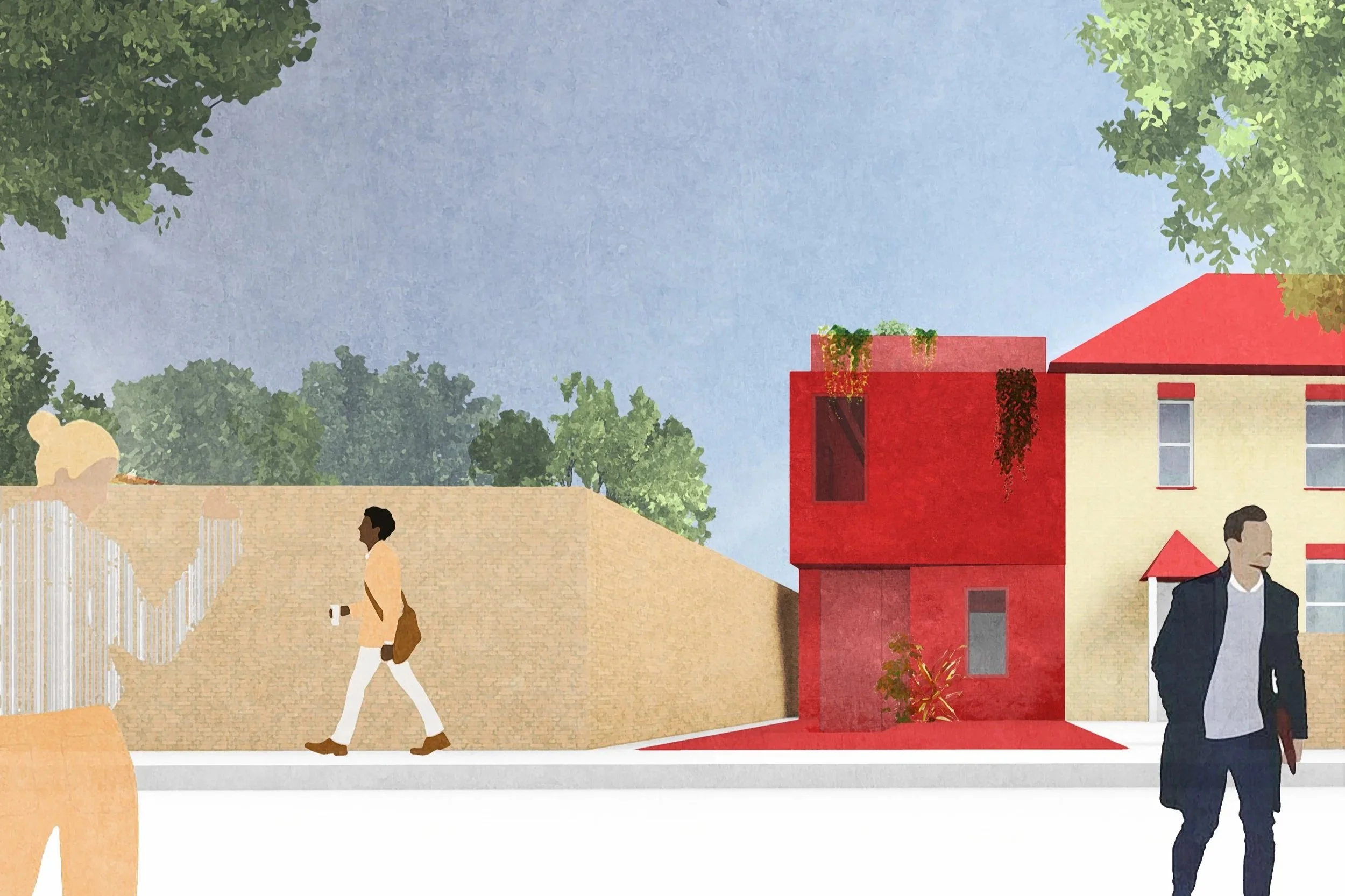
Infill sites also referred to as ‘gap sites’ or ‘small sites’ are development sites within urban areas that are too small for a traditional developer approach to build on. Sometimes they are too small to build more than 1 or 2 homes and often they are not straightforward to develop on.
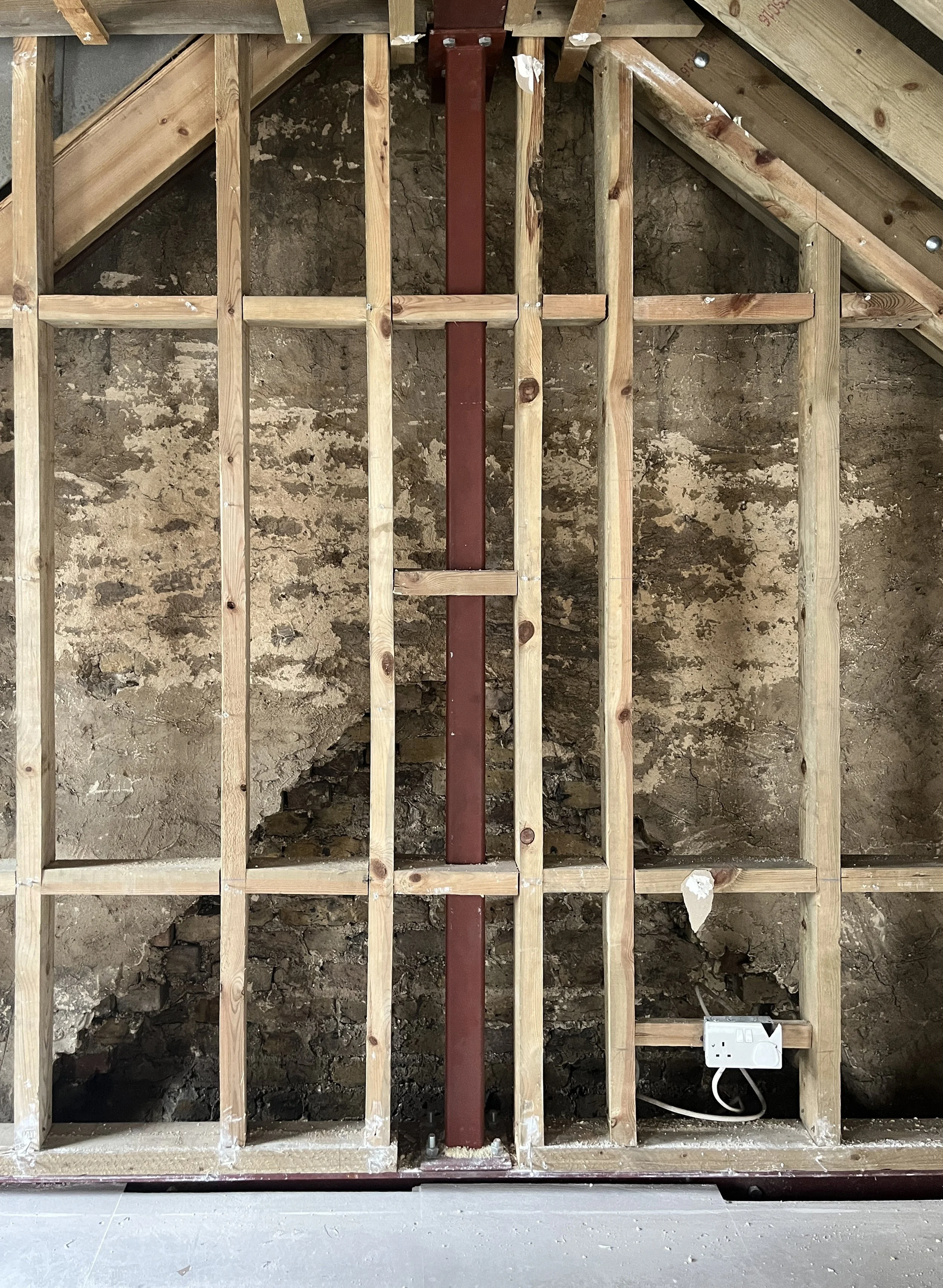
Royal Greenwich has one of the highest concentrations of Victorian and Edwardian domestic architecture in London. The long streets of Charlton, Plumstead and Woolwich, the terraced villas of Blackheath and the dense rows of Eltham and New Eltham represent an enormous stock of solid, well-built homes that could, with the right investment, perform far better than they currently do.
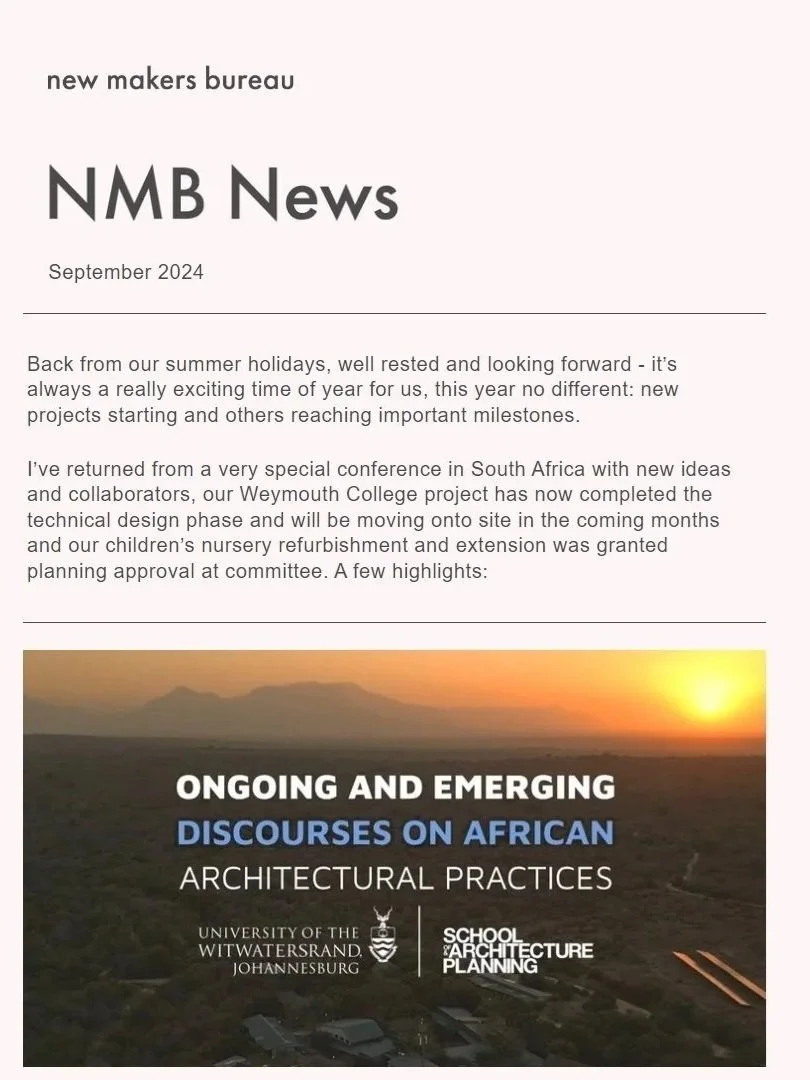
Check out the latest edition of our newsletter where we share what we've been up to over the past few months, projects new and old and what's on coming up.
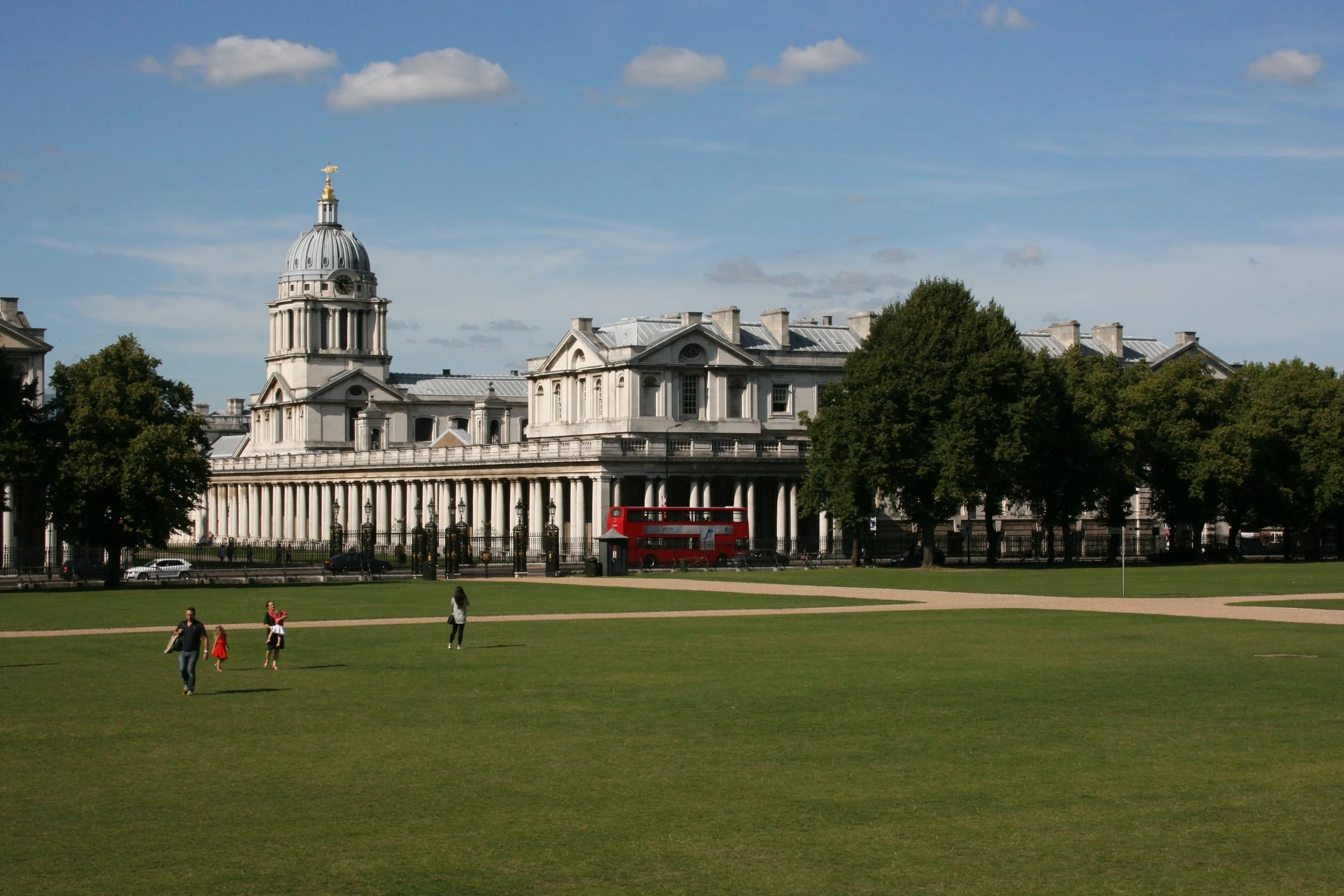
Getting planning permission for a home extension in Greenwich is more demanding than in many other London boroughs. The World Heritage Site designation, the extensive conservation areas and the Royal Borough's active planning department create an environment where applications are scrutinised carefully and where the quality of the argument matters as much as the quality of the design.
A result of changing work patterns post covid is there’s now more empty office space than ever. This has been exacerbated by sluggish growth in the economy, and a period of pause, ‘waiting to see’ with the prospect of a change in direction from a new government - now passed.
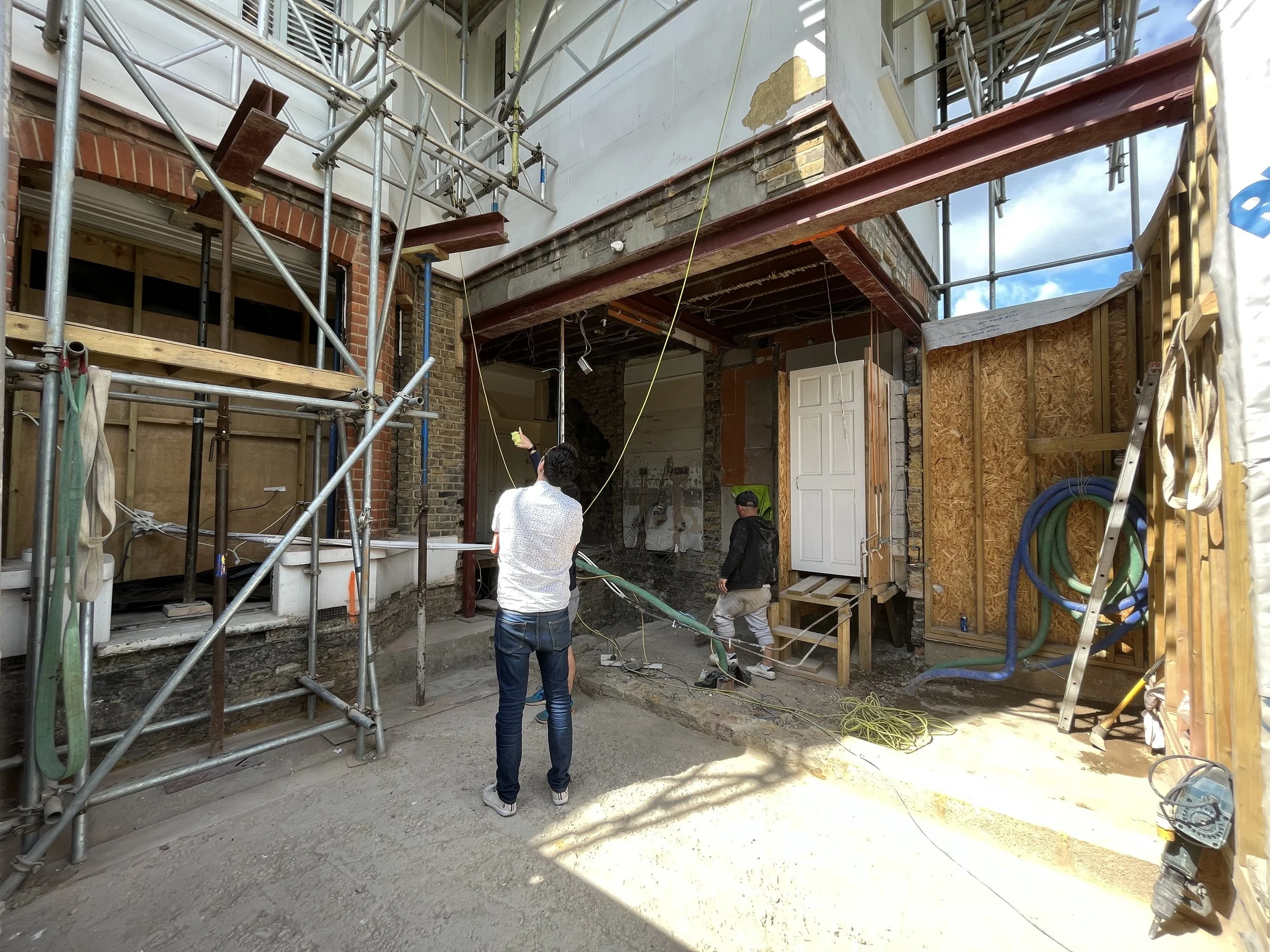
Briefing an eco architect is not fundamentally different from briefing any architect. You need to communicate what you want, what you need and what matters to you. But there are some questions that are particularly worth asking when sustainability is a genuine priority, and some answers that will tell you quickly whether the practice in front of you is genuinely oriented toward eco design or just using the language.
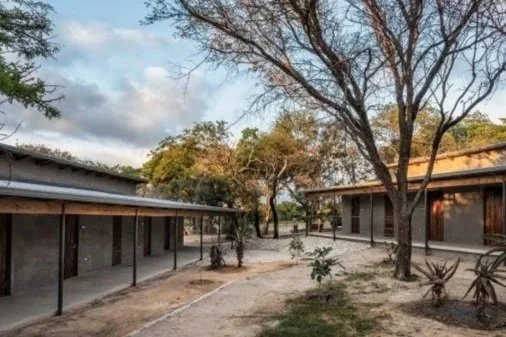
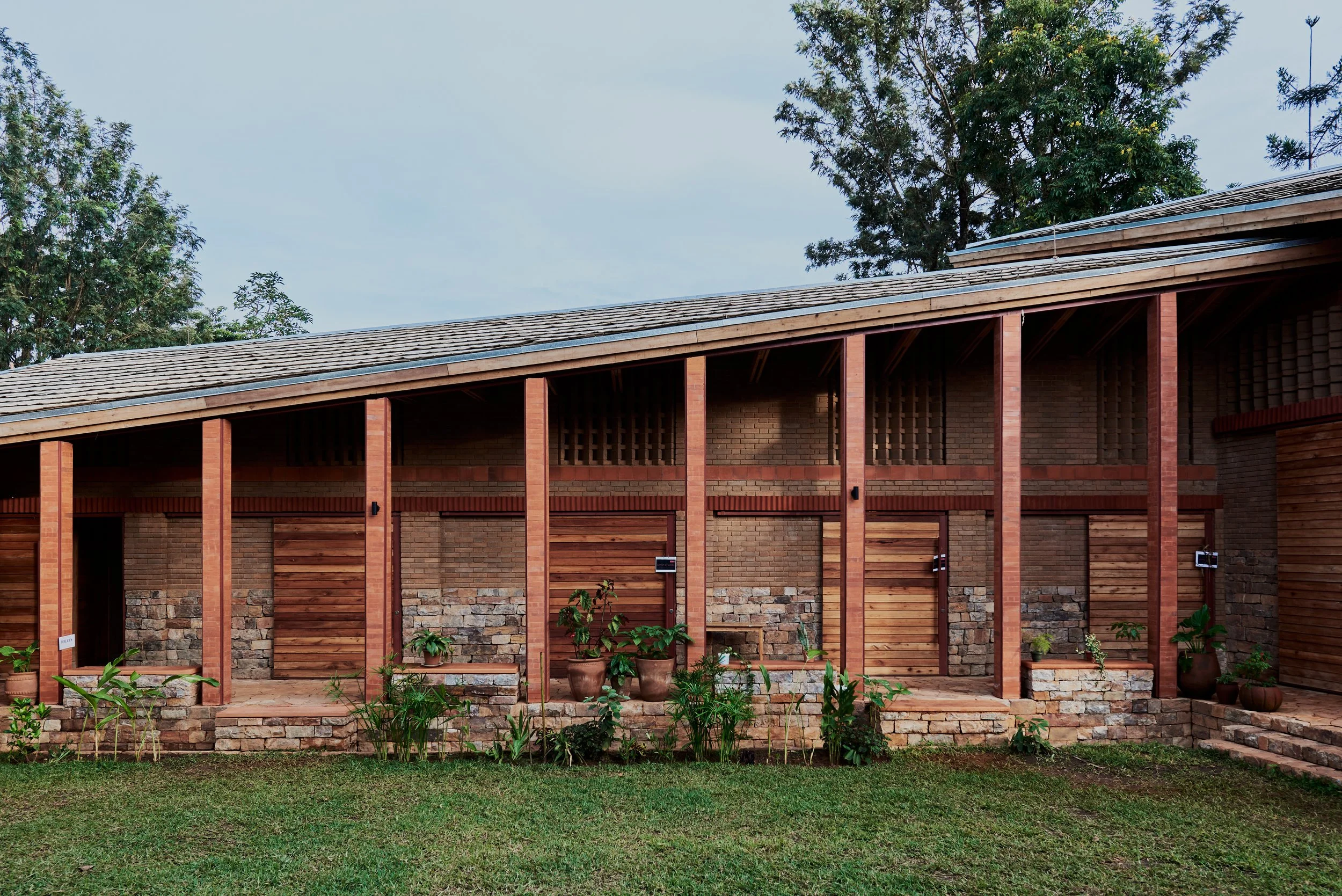
James is back from the inaugural ‘Emerging Discourses on African Architectural Practices’ conference in South Africa where he presented his paper: ‘Post colonial collaborative practice: building from the earth at the 32° East Arts Centre’.
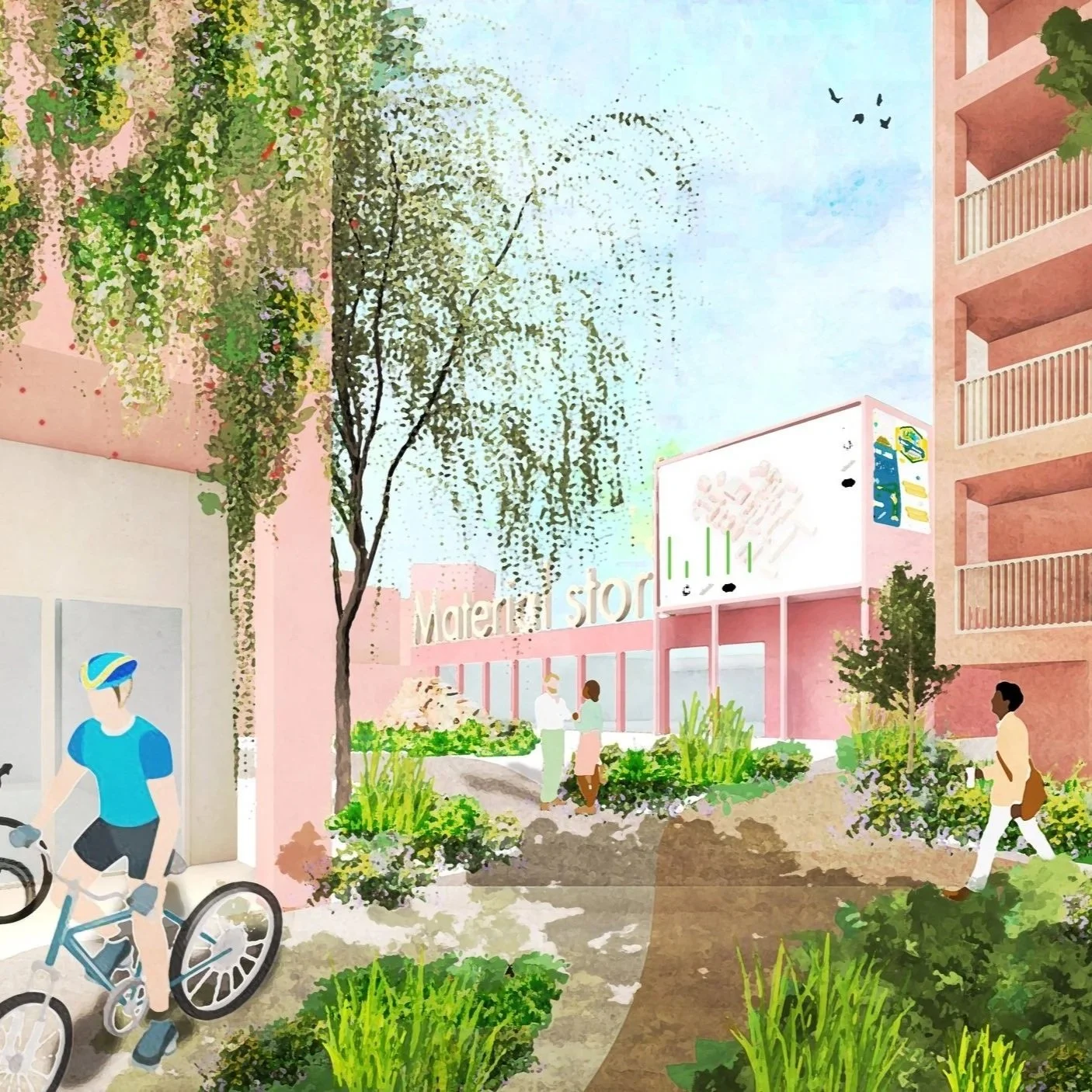
Here we write about our proposal for the Net Zero Neighbourhood masterplan, which was the winner of the Max Fordham Archiboo Architect’ Pitch, itself inspired by the Max Fordham House - UK’s first-ever verified net zero carbon home.